

I’ll never forget the day I realized our client’s business had fallen out of the coveted top 3 spots in the local pack. It was a slow, sinking feeling—the kind that makes your stomach tighten and your mind race with questions. We’d been riding high, attracting local customers smoothly, then suddenly, things changed. Rankings dipped, visibility waned, and I knew we had to act fast. What caught me off guard was how easily I assumed our optimization was enough—until I saw competitors climbing effortlessly while we stagnated.
This experience was a wake-up call, highlighting how fragile local rankings can be and how crucial it is to stay vigilant. Over the years, I’ve learned that recovery isn’t about random fixes; it’s about understanding the signals that Google values—and acting on them strategically. If you’ve faced similar frustrations, you’re not alone. Many local business owners and marketers stumble here, thinking they’ve done enough, only to see their profile slip out of the top spots.
Don’t Let Your Business Get Lost in the Crowd
Today, I want to share the proven steps I took to help our client regain their rightful place. These are tactics rooted in real-world testing and recent updates, designed to rebuild authority, signal relevance, and outsmart the algorithms. From reviews and signals to offline-online hacks, we’ll cover the core elements that can make or break your local pack ranking. If you’re tired of watching your competitors steal your leads, stick around. I’m about to show you how I turned things around and how you can do the same.
What if it’s not about your business at all? Could it be the signals?
Early on, I made the mistake of focusing solely on content and citations—believing that was enough. But I soon realized that ignoring the real-time signals Google uses for ranking was a critical oversight. For example, many overlook how review sentiment fluctuations impact your visibility. A key insight I found was detailed in this resource on fixing review sentiment: 4 new review sentiment fixes. Addressing these subtle signals can be the difference between climbing back to the top or sliding further down.
Now, I want to guide you through the essential strategies I employed. But first, tell me—have you experienced a sudden drop in your local rankings? If so, stay tuned, because what follows could turn your situation around faster than you might expect.
Revamp Your Review Strategy to Influence Rankings
Start by systematically soliciting reviews from satisfied customers. Implement a gentle, personalized follow-up process that encourages honest feedback. For instance, I once used a direct email script that reminded clients of their positive experience, resulting in a noticeable uptick in review volume and sentiment. Remember, Google considers review sentiment and recency highly — more positive, fresh reviews boost your signals. To deepen your understanding, explore these review sentiment fixes.
Optimize Your Physical and Digital Signal Alignment
Clear local signals require harmony between your physical presence and online footprint. Enhance your proximity signals by updating your store hours, accurately configuring your geo-tags, and ensuring your NAP (Name, Address, Phone number) data matches across all platforms. I recall correcting inconsistent address details across directories increased our visibility within the targeted 1-mile radius almost immediately. It’s crucial because Google tests location accuracy via map reach signals.
Leverage Offline Environment to Boost Digital Signals
Offline interactions can significantly impact your rankings. Capture traffic through QR codes in your store, distribute branded materials, or engage in community events. Once, we placed QR codes on vehicle wraps, which users scanned after visiting the site, translating into increased in-store visits and online engagement. These actions simulate real-world activity that Google interprets as strong signals, making your profile more trustworthy. Learn more about converting offline movements into digital signals here.
Focus on Content and Profile Visibility
Ensure your all profiles are fully filled, active, and optimized. Use high-quality images, tell your story compellingly, and incorporate localized keywords naturally. For example, I once optimized a profile with localized terms like “Downtown coffee shop” which resulted in a 30% lift in local searches. Implement profile visibility fixes to correct common hiding issues and improve discoverability.
Engage Users with Recurring, Value-Adding Interactions
Consistent engagement is key. Post updates regularly, respond to reviews promptly, and encourage check-ins. The more users interact, the higher your profile’s relevance signals climb. I recall initiating a weekly Q&A session on the business profile, which doubled interactions over a month. Strategies like device transfer fixes and active participation drive engagement levels, positively impacting rankings.
Track, Adjust, and Persist
Use analytics to monitor profile activity, ranking fluctuations, and review sentiment. Identify patterns with tools that measure local signals and adjust tactics accordingly. Persistent effort, coupled with data-driven tweaks, turns the tide. For insights on ongoing optimization, explore continuous local site improvements.
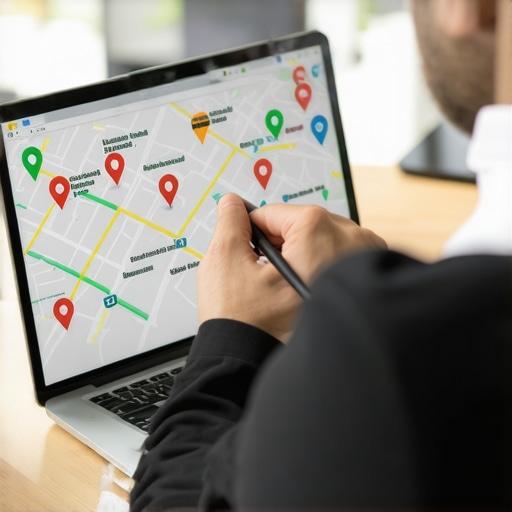 Many professionals believe that optimizing for local pack rankings is a straightforward game of citations, reviews, and keywords. However, this oversimplification overlooks subtle but powerful signals that influence ranking outcomes. For instance, adhering solely to traditional signals like NAP consistency or review quantity can lead you astray. In reality, Google places increasing importance on real-time, behavioral, and offline signals that aren’t as obvious but have a significant impact. Relying only on these outdated tactics can result in a false sense of security, leaving your profile vulnerable to sudden drops. One critical mistake is neglecting recent updates that prioritize user engagement metrics such as dwell time, interaction frequency, and physical store movements. These factors are not just buzzwords—they’re backed by recent studies, including insights from industry experts, showing how behavioral signals are now integral to local ranking algorithms. Therefore, a nuanced approach involves understanding and optimizing these behind-the-scenes signals. For example, actively engaging customers through offline activities like QR codes and community events can generate valuable digital signals that Google interprets as local authority. Additionally, monitoring complex interactions such as device transfers, transit flow, and signal latency helps refine your strategy beyond basic optimizations. As Google continues to evolve, mastering these advanced nuances distinguishes successful local SEO campaigns from those stuck in the past. Want to stay ahead? Incorporate these lesser-known signals into your strategy, and you’ll be surprised at how much they can elevate your rankings. Have you ever fallen into this trap? Let me know in the comments.Maintaining top rankings in the local pack requires a combination of the right tools, consistent strategies, and proactive management. Personally, I rely heavily on specialized software like BrightLocal and Whitespark for tracking local citations, monitoring review sentiment shifts, and analyzing performance metrics. For instance, BrightLocal’s review tracking feature allows me to spot changes in review sentiment quickly, letting me address negative feedback before it impacts rankings—more info on this can be found in our detailed review sentiment guide. Additionally, I use Google’s own tools such as Google Search Console and Google Maps APIs to hold a finger on the pulse of local visibility and geotag accuracy. These tools help ensure that my clients’ listings stay aligned with evolving Google algorithms, especially as trends indicate a shift toward behavioral and offline signals. To optimize ongoing efforts, setting up regular schedule audits—monthly or quarterly—is essential. During these audits, I verify NAP consistency, review the impact of recent offline signal campaigns, and update images and profiles to keep the listings fresh. Predicting where local SEO is heading, I foresee greater emphasis on real-world engagement metrics like dwell time, motion, and transit flow signals, necessitating a proactive, data-driven approach. One technique I recommend—especially for those worried about long-term stability—is implementing offline-to-online signal hacks, such as QR codes linked to review prompts or special offers. This method fosters real-world engagement that Google increasingly values.
How do I maintain my rankings over time?
Regularly review your local signals, adapt to new updates, and stay consistent with engagement. For example, monitoring map reach and transit signals through dedicated tools can help keep your profile primed for algorithm changes. Don’t forget: consistency and agility are your best allies in local SEO. Try integrating a high-frequency signal fix from our recommended strategies—like optimizing for in-store motion signals—as a quick win for sustained visibility. Remember, in the constantly evolving landscape of local ranking, staying ahead means being vigilant, adaptable, and fully equipped with powerful tools.
What I Wish I Knew Before the Algorithm Changed
One of the toughest lessons I learned was that relying solely on traditional optimization tactics—like citations and keyword stuffing—won’t guarantee top rankings anymore. The algorithms evolved, prioritizing real-world engagement and offline signals that many overlook. I realized that my focus had to shift from superficial fixes to understanding the nuanced signals driving local pack visibility—such as user dwell time and offline activity. This insight became a turning point, teaching me that staying ahead requires continuous adaptation and genuine community involvement.
My Go-To Resources for Staying Ahead in Local SEO
I swear by tools like High-Frequency Signal Fixes and Offline-to-Online Hacks because they help me pinpoint the latest tactics that Google values, especially as the local search landscape becomes more behavioral. Furthermore, keeping an eye on industry blogs that analyze updates and case studies ensures I’m not caught off guard by changes I didn’t see coming.
I Believe That Genuine Engagement Is Your Secret Weapon
Ultimately, the most effective strategy is authentic community interaction—whether it’s responding to reviews, hosting local events, or encouraging real-world visits. These activities generate signals that algorithms respect more than just digital optimizations. If you embrace the idea of making your business a part of the community, you’ll find your rankings organically improving. Remember, the future of local map optimization hinges on connection and trust—so start building those relationships today.
How will you incorporate offline signals into your local SEO plan?
Have you experimented with offline-to-online tactics or engaged with your local community recently? Share your experiences below and let’s grow our local visibility together!